Bali “Eka Karya” Botanical Garden or sometimes called Bedugul Botanical Garden is the largest botanical garden in Indonesia which is positioned in Candikuning Village, Baturiti District, Tabanan Regency, Bali, about 60 km from Denpasar. This garden is the first botanical garden established by the Indonesian people. Its management is carried out with the aid of the Indonesian Institute of Sciences (LIPI) and as an organizational structure is under the guidance of the Bogor Botanical Garden Plant Conservation Center. This garden was hooked up on July 15, 1959. At first, Eka Karya Bali Botanical Garden was only intended for conifers. Along with the development and changes in the popularity and area of the area, this garden which is located at an altitude of 1,250-1,450 m asl is now an ex-situ conservation area for tropical mountain plants in Eastern Indonesia. The place of the Botanical Gardens was originally only 50 ha, but currently the region of the botanical garden is 157.5 ha.
History
Starting from Prof. Ir. Kusnoto Setyodiwiryo, Director of the Center for Nature Investigation who is concurrently the Head of the Indonesian Botanical Gardens, and I Made Taman, Head of the Nature Conservation and Preservation Institute at that time who wished to establish a branch of the Botanical Gardens outside Java, in this case Bali. The approach to the Bali Regional Government began in 1955, until finally in 1958 the competent authorities in Bali officially presented to the Nature Research Center Institute to establish a Botanical Garden in Bali.
Based on the agreement, the location of the Botanical Gardens was determined to have an area of 50 ha overlaying the Candikuning reforestation area and directly adjacent to the Batukau Nature Reserve. Exactly on July 15 1959 “Eka Karya” Bali Botanical Garden was inaugurated by Prof. Ir. Kusnoto Setyodiwiryo, Director of the Center for Natural Investigation as the awareness of the Decree of the Head of the Bali Level I Region dated January 19, 1959 No. 19 / E.3 / 2/4.
The name “Eka Karya” for the Bali Botanic Garden was proposed by I Made Taman. “Eka” means One and “Work” means Work. So “Eka Karya” can be interpreted as the first Botanical Garden which used to be the work of the Indonesian nation itself after Indonesia’s independence. This botanical garden is devoted to collecting Gymnosperms (needle-leaved plants) from all over the world because these species can develop well in botanical gardens. The first collections were mostly imported from the Bogor Botanical Gardens and Cibodas Botanical Gardens, including Araucaria bidwillii, Cupresus sempervirens and Pinus masoniana. Other species native to this area consist of Podocarpus imbricatus and Casuarina junghuhniana.
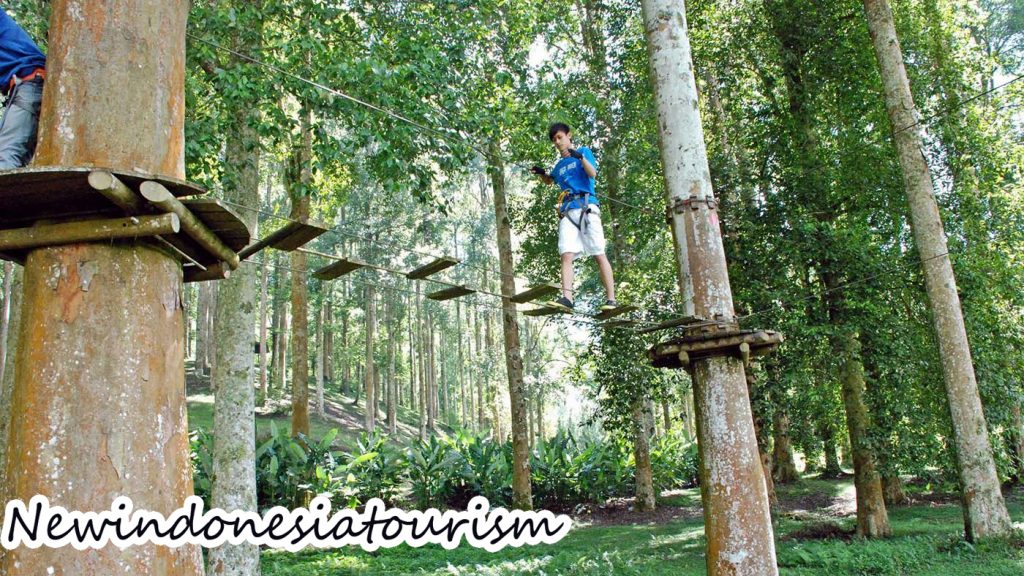
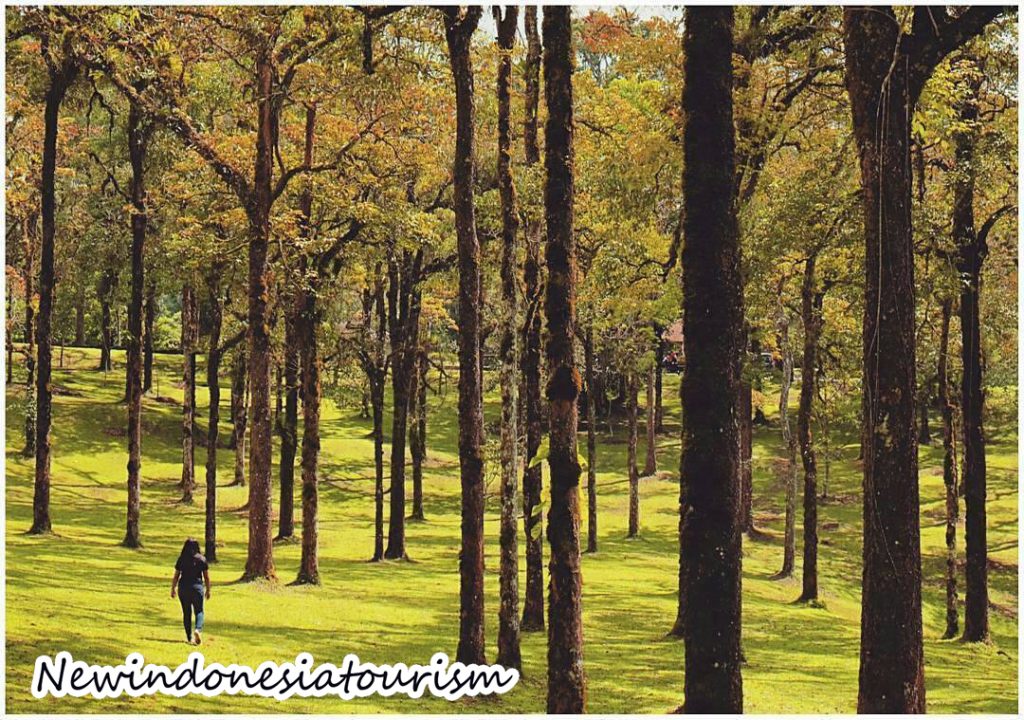
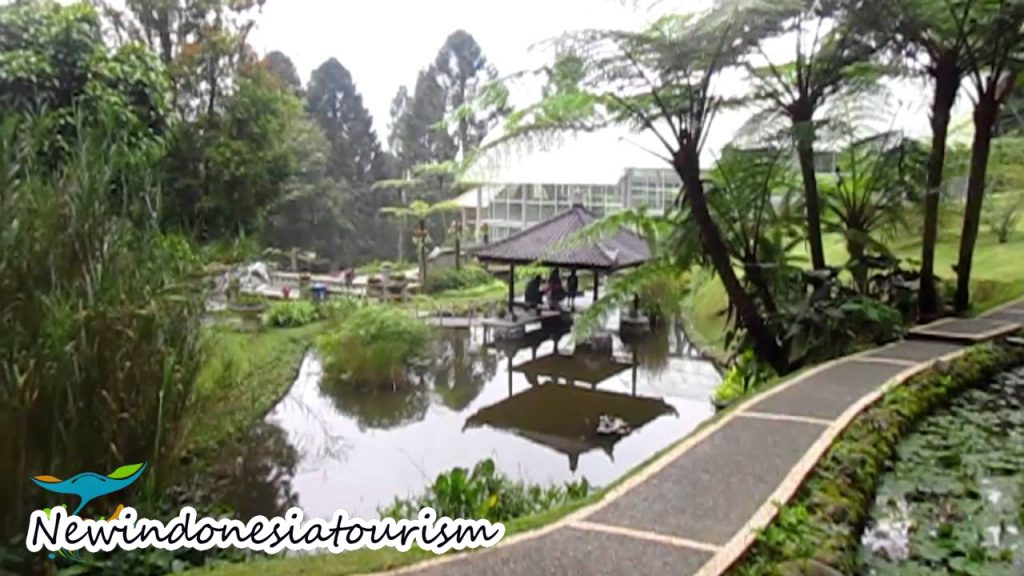
Since its establishment, the development of the Bali “Eka Karya” Botanical Garden has always experienced ups and downs with alternating management, namely between the Bali Provincial Forestry Service and the Botanical Gardens itself. The management of the Botanical Gardens used to be entrusted twice to the Bali Provincial Forestry Service, namely on 15 July 1959 – 16 May 1964 and after the G30S / PKI incident (1966 – 1975). Plantation management directly by botanical backyard staff is also carried out for 2 periods, namely from 16 May 1964 – December 1965 and 1 April 1975 till now.
Since 1964 until now, the Bali “Eka Karya” Botanical Garden has undergone 11 leadership changes with a range of reforms. Under the leadership of I Gede Ranten, B.Sc. (1975 – 1977), the area of the botanical gardens increased to 129.2 ha. The expansion was inaugurated via the Chairman of the Indonesian Institute of Sciences at that time, Prof. Dr. Ir. Tubagus Bachtiar Rifai on April 30, 1976 which was marked by planting Chamae cyparis obtusa.
Under the leadership of Ir. Mustaid Siregar, M.Si (2001 – 2008) the area of the botanical gardens has increased once more to 157.5 ha. Although at the beginning of its establishment it was intended for the conservation of needle-leaved plants (Gymnosperms), now the Botanical Gardens are positioned at an altitude of 1,250 – 1,450 m above sea level with temperatures ranging from 18 – 20 ° C and humidity of 70 – 90%. These have developed into ex-situ conservation areas of plants. tropical mountains of eastern Indonesia. Its current status is the Technical Implementation Unit of the Bali Botanic Garden “Eka Karya” Botanical Conservation Center
botanical collection
Orchid
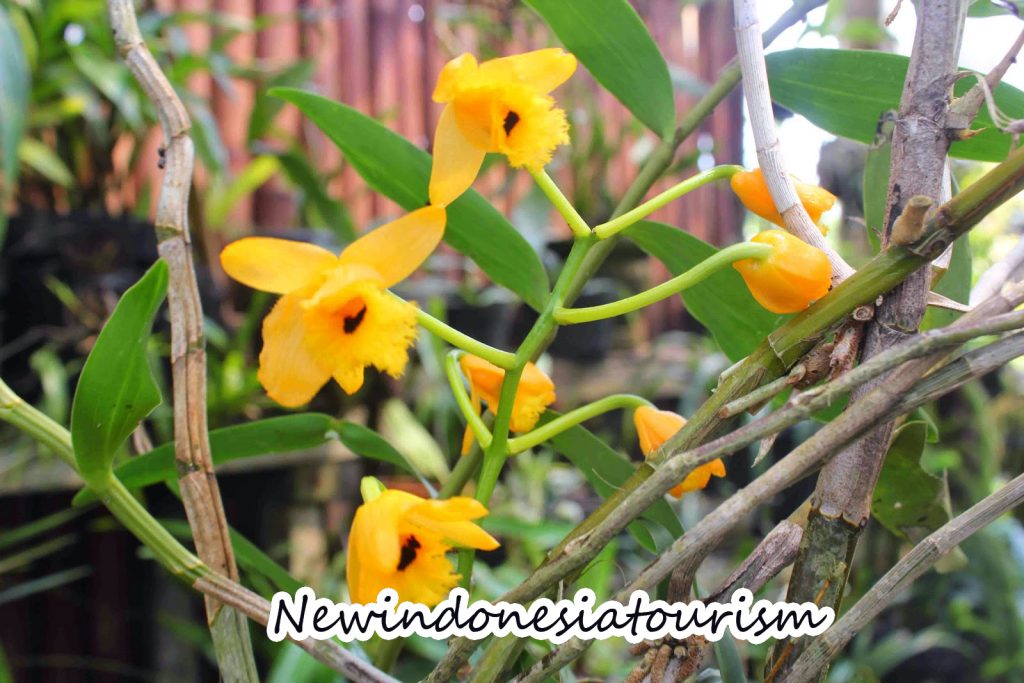
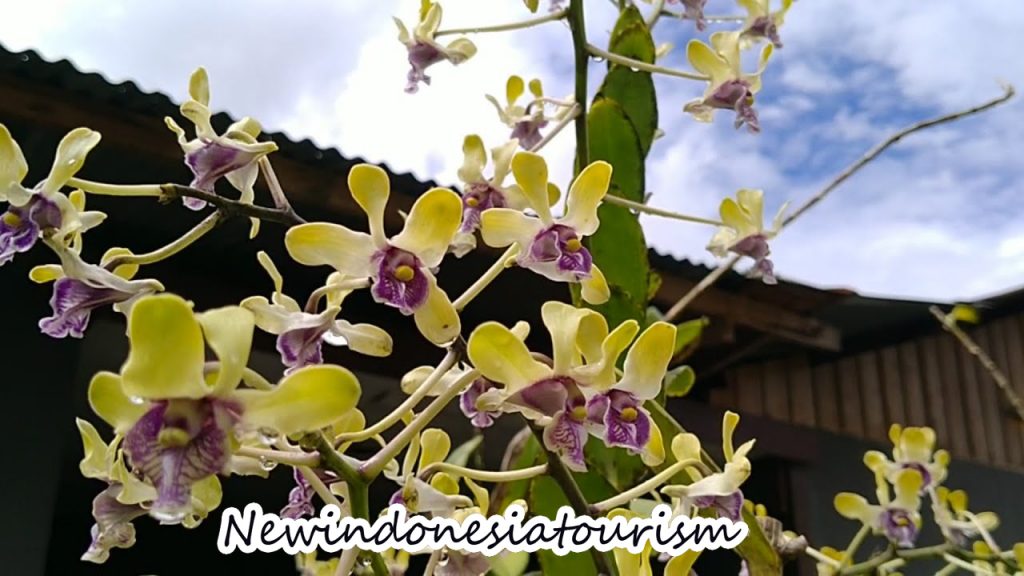
The orchid series is arranged in a garden whose construction was once initiated under the leadership of Drs. Sukendar (1979 – 1980). The area which now has an area of 0.5 ha is divided into two areas. The lower phase of the orchid garden is an open area for the collection of cruciferous orchids, while the upper orchid backyard is a place for wild orchids which is a priority for collection because of the large benefits in research and conservation efforts. This collection of orchids comes from various regions in Indonesia, especially jap Indonesia, including Bali, Nusa Tenggara, Sulawesi, Kalimantan and Papua. More than 293 types of orchids have become the collections of the Bali Botanic Garden.
Although most of these orchids flower from March to June, in other months there are always orchids that flower. Of the many sorts of orchids that have been collected, several types are very attractive, such as Vanda tricolor with white flowers with dark brownish red decorations, Paphiopedilum javanicum which is one of the uncommon orchids, and two types of orchids endemic to Bali, namely Malleola baliensis and Calanthe baliensis. Most of these wild orchids are rarely found in nature and their existence is increasingly threatened due to habitat loss due to land conversion and deforestation, or over-harvesting in nature for business purposes.
ferns
The collection of ferns is laid out in a 2 ha location known as Cyathea Park. This name comes from the name of the ferns that dominate the area. More than 80 types of ferns are accrued from Bali, Nusa Tenggara, Sulawesi, Sumatra and Papua. Nails of Cyathea contaminans and Cyathea latebrosa trees that grow naturally and ferns from Dicksonia blumei originating from Bukit Pohen, Bali are some of the interesting types of ferns in this park. All three are protected ferns whose change is regulated and controlled by international law. Apart from being an ornamental plant due to the tropical and ancient impact it creates, ferns are also used as raw material for crafts, vegetables and traditional medicine.
Begonia
Begonia has a variety of beautiful leaf shapes and colors. People who love ornamental plants be aware of Begonia as a leaf ornamental plant. The uniqueness of this type of plant lies in its asymmetrical (asymmetric) leaf shape. It is estimated that the number of Begonia in the world is more than 1700 species and the whole number of Begonia in Indonesia is 213 species. Indonesian begonia is generally a leaf begonia or Begonia rex which has a variety of leaf shapes with beautiful colors which includes silver, green, red, or variations of the hue of these colors. Apart from natural begonias, hybrid begonias are also found in the Begonia Garden of the Bali Botanic Garden. Begonia hybrid is the result of a go from natural Begonia (Begonia species). Bali Botanic Garden has created a new type of hybrid, namely Begonia “Tuti Siregar”.
Inventory of the Begonia collection continues to support information validation of the Begonia collection. Based on data from the collection of the Bali Botanic Garden as of May 2015, there were 920 specimens from 94 types of Begonia series arranged in Begonia Park which can be enjoyed by visitors who travel and take gain of educational services at the Bali Botanical Gardens. The Bali Botanic Garden has also developed several types of hybrid Begonia for industrial purposes.
Mileage
To get to the Bali Botanic Garden, it can be reached by road for one and a half hours from Denpasar, or about 55 km north of Denpasar to Singaraja. If from Singaraja, the distance traveled is about 30 km to the south to Denpasar or takes about 45 minutes by road.